Maximising EV Battery Life: Expert Tips for Range, Health, and Longevity
Your electric vehicle's battery is its heart and its most valuable component. Replace an engine in a petrol car and the vehicle may soldier on for years. Degrade a battery pack significantly and range, performance, and resale value all suffer. Fortunately, modern EV batteries are engineered for longevity — and driver behaviour profoundly influences how well they age.
This comprehensive guide covers everything from daily charging habits to long-term storage, temperature management, and software features that protect your investment. Whether you drive a compact city car or a premium SUV, these principles help you maximise range today and preserve capacity for years to come.
Understanding EV Battery Chemistry
Most electric vehicles use lithium-ion cells similar to those in laptops and smartphones — scaled dramatically and managed by sophisticated battery management systems (BMS). The BMS regulates charging speed, cell balancing, temperature, and state of charge to prevent damage. Understanding its role helps you work with your vehicle rather than against it.
Two metrics matter most: state of charge (SoC) expressed as percentage, and depth of discharge (DoD) measuring how much capacity you use between charges. Cycling between very low and very high states of charge stresses cells more than operating in the middle range. Heat accelerates chemical degradation. Fast charging generates heat. Cold reduces immediate available capacity though does not permanently damage cells.
Manufacturers typically warranty batteries for eight years or 100,000 miles with minimum capacity retention — often around seventy percent. Real-world data from high-mileage EVs suggests many packs exceed expectations when owners follow sensible practices. Poor habits do not destroy batteries overnight but accumulate effects over thousands of cycles.
Optimal Daily Charging Habits
The most repeated expert advice: charge regularly but not to one hundred percent unless needed. For daily use, targeting eighty percent satisfies most commutes while reducing time spent at high SoC where degradation rates increase. Many vehicles allow setting charge limits through onboard menus or mobile apps. Use them consistently.
Similarly, avoid routinely running below ten percent. Occasional deep discharges will not harm your pack, but regular operation near empty increases stress. Think of your battery's comfort zone as roughly twenty to eighty percent for daily driving. Save full charges for long trips requiring maximum range.
Overnight charging at home on AC power remains gentler than frequent rapid DC sessions. AC charging generates less heat and proceeds at rates the BMS manages comfortably. If your schedule requires daily rapid charging, monitor battery health indicators and consider occasional slower sessions to balance stress.
Rapid Charging: When and How Much
DC rapid charging transforms long-distance EV travel. Networks along motorways enable journeys that early adopters considered impractical. The technology delivers genuine freedom — but moderation protects longevity.
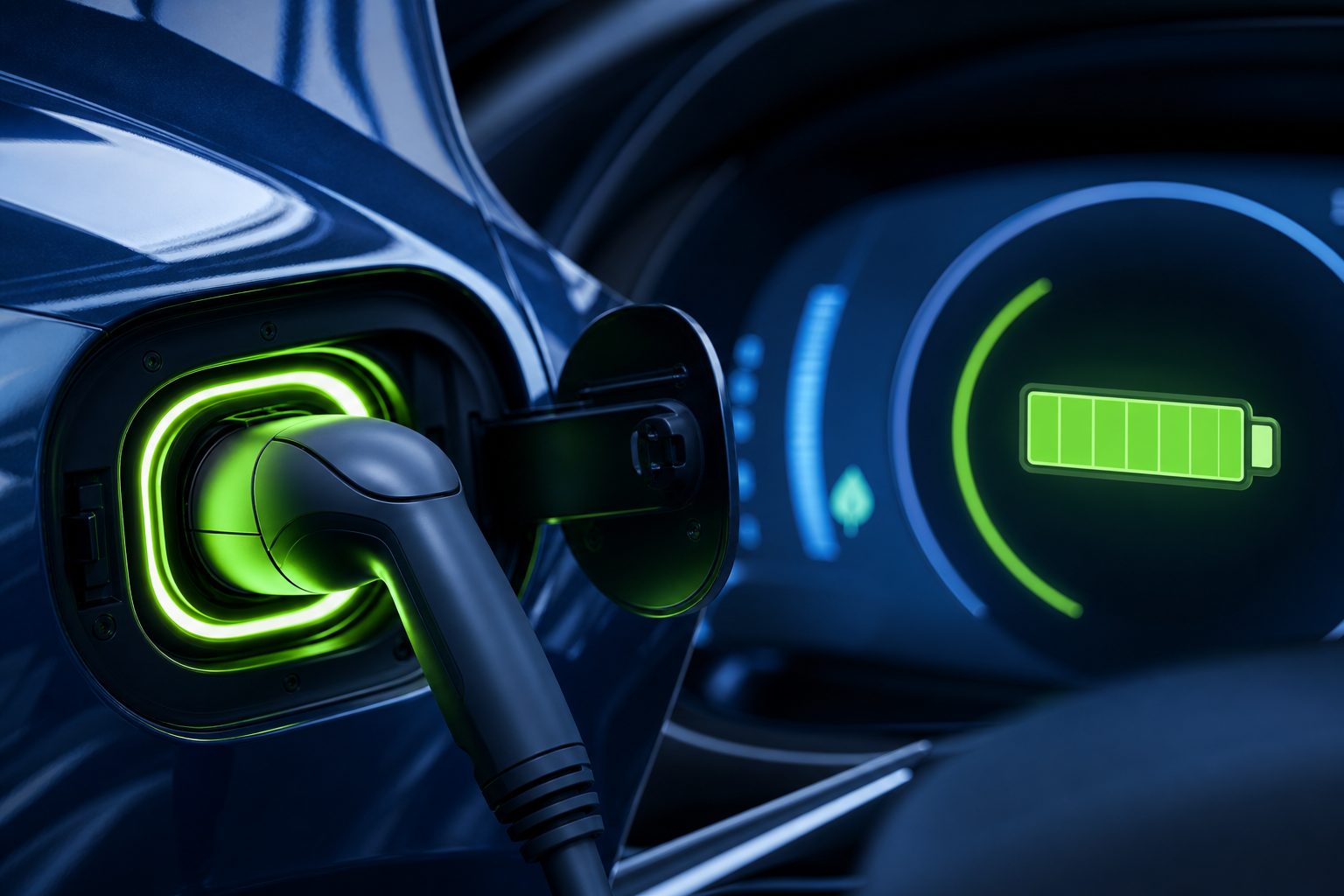
Rapid charging forces high current into cells quickly, raising temperatures. The BMS may throttle speed as SoC increases — typically slowing significantly above eighty percent. Plan sessions to arrive with low SoC and charge to eighty at rapid units, completing the final twenty percent on AC if time allows.
On road trips, consecutive rapid sessions heat packs cumulatively. Allowing rest periods between sessions helps thermal management. Some drivers schedule meals during charging to provide natural cooling intervals. Avoid rapid charging immediately after hard driving when the pack is already warm.
Concierge services like AutoRecharged typically charge at professional facilities using optimised equipment and protocols. Professional handling ensures charging occurs at appropriate rates for your vehicle's current thermal state — another advantage of delegating charging to specialists focused exclusively on EV care.
Temperature Management
Extreme temperatures challenge batteries. Hot climates accelerate degradation — parking in shade, using garage storage, and pre-conditioning while plugged in all help. Cold climates temporarily reduce range because chemical reactions slow; pre-heating the cabin and battery while connected to charger preserves driving range for the journey ahead.
Thermal management systems in modern EVs actively heat or cool packs during operation and charging. Trust these systems rather than attempting workarounds. Plug in during extreme weather when possible so the vehicle draws power from the grid rather than the pack to maintain comfortable temperatures.
Long-term parking in extreme heat without maintenance charging can damage cells. If storing a vehicle for weeks, consult manufacturer guidance — typically recommending moderate SoC around fifty percent and climate-controlled storage where available.
Driving Style and Regenerative Braking
Efficient driving extends range and reduces cycle frequency — indirectly benefiting battery life. Smooth acceleration, anticipatory braking, and moderate motorway speeds reduce energy consumption dramatically compared with aggressive driving. Regenerative braking recovers energy that would otherwise dissipate as heat in friction brakes.
Learn your vehicle's regeneration modes. One-pedal driving in urban environments maximises recovery. Highway driving benefits from steady speeds and minimal unnecessary acceleration. Tyre pressure, roof racks, and vehicle load all affect consumption — maintain tyres properly and remove unused roof boxes.
Climate control draws significant power. Pre-conditioning while plugged in preserves range for driving. Seat heaters often consume less energy than cabin heating — a useful tip in winter. These choices add miles without touching battery chemistry directly but reduce how often you charge, lowering cumulative cycling.
Software Updates and Battery Management
Manufacturers release software updates improving BMS algorithms, charging curves, and range estimation. Keep vehicle software current. Updates sometimes unlock improved charging speeds or more accurate range predictions. They may also refine thermal management protecting long-term health.
Monitor your vehicle's reported battery health if available. Some brands display capacity retention explicitly. Others infer health from range at full charge compared with original specifications. Significant unexpected changes warrant dealer inspection — though gradual modest decline over years is normal.
Storage and Infrequent Use
Vehicles parked for extended periods require preparation. Manufacturer recommendations generally suggest storing at moderate SoC — neither full nor empty — around forty to sixty percent. Check periodically and maintain charge if storage extends beyond months. Some owners schedule occasional slow charging sessions during long absences.
Airport parking scenarios challenge travellers who leave vehicles for weeks. Battery drain from security systems and ambient conditions reduces SoC gradually. Arranging charging during absence — through concierge services or airport partners — ensures a capable vehicle upon return rather than a depleted pack requiring immediate attention before you can drive home.
Common Myths Debunked
Myth: you must always charge to one hundred percent. Reality: daily full charging accelerates degradation unnecessarily for most use cases. Myth: rapid charging ruins batteries immediately. Reality: occasional rapid charging is fine; constant rapid charging without moderation increases wear. Myth: cold permanently damages batteries. Reality: cold reduces temporary range; warming resolves capacity. Myth: never charge below twenty percent. Reality: occasional low states are acceptable; chronic deep discharge is problematic.
Building Sustainable Habits
Battery care integrates into routine rather than demanding constant attention. Set charge limits once. Prefer home AC charging for daily needs. Use rapid charging strategically on journeys. Pre-condition while plugged in during weather extremes. Drive smoothly. Update software promptly. Address unusual behaviour through qualified service channels.
Professional concierge charging adds another layer of protection. Trained handlers follow manufacturer-appropriate protocols. Facilities monitor charging sessions. Insurance covers rare incidents. For drivers who prefer delegating technical details to experts, concierge services combine convenience with conscientious battery care.
Conclusion
Your EV battery will outlast misconceptions about fragility when treated sensibly. Moderate daily charge levels, thoughtful rapid charging, temperature awareness, and efficient driving preserve capacity for years. Combine these habits with services that handle charging professionally when life gets busy — and you enjoy the full promise of electric driving without compromise.